
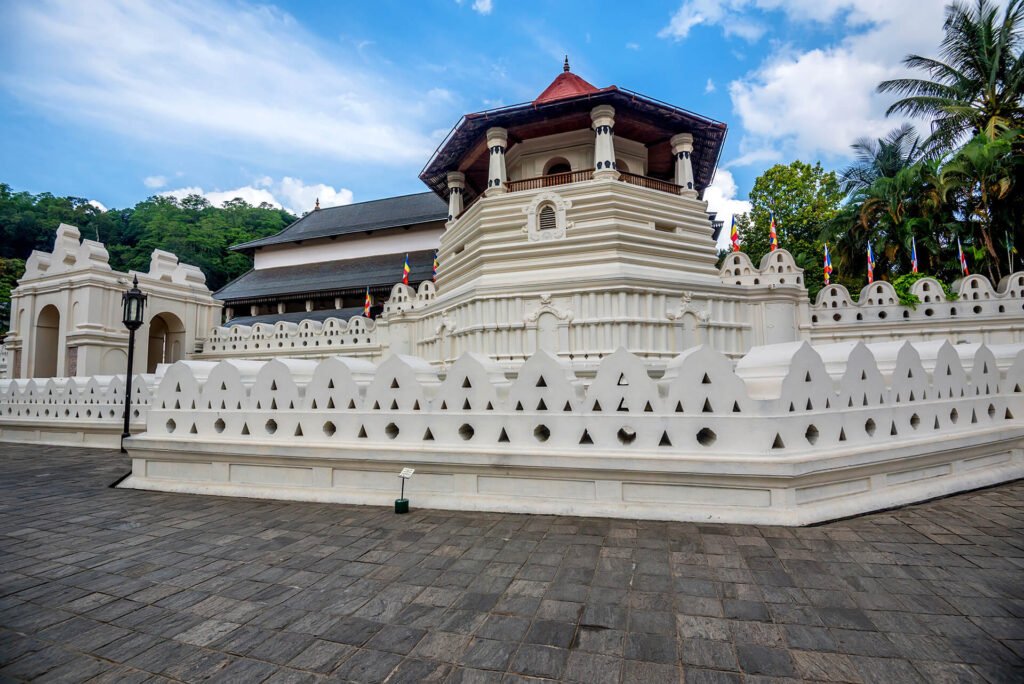
Nestled in the misty hills of central Sri Lanka lies one of the most revered spiritual sites in the Buddhist world. The Temple of the Sacred Tooth Relic, known locally as Sri Dalada Maligawa, is the beating heart of Kandy. This magnificent complex houses the legendary canine tooth of Lord Buddha. For centuries, this sacred relic has played a pivotal role in the island’s religious landscape and royal politics.
Visiting this UNESCO World Heritage Site offers a profound glimpse into Sri Lankan culture. The rhythmic beating of traditional drums echoes across Kandy Lake, drawing pilgrims and travelers alike. The scent of lotus flowers and burning incense fills the air, creating an atmosphere of deep reverence. Whether you are a spiritual seeker or a history enthusiast, this destination is an absolute must-visit.
Understanding the customs, history, and layout of the complex will profoundly enrich your experience. The grounds are vast, encompassing ancient palaces, serene gardens, and intricate shrines. This comprehensive guide provides everything you need to know to plan a meaningful and seamless visit.
A Glimpse into Sri Lanka’s Royal and Spiritual History
The story of the Sacred Tooth Relic reads like an ancient epic filled with devotion, conflict, and miracles. According to legend, the relic was salvaged from the funeral pyre of Lord Buddha in India. In the fourth century, it was smuggled into Sri Lanka by Princess Hemamali and Prince Dantha. The princess famously hid the sacred tooth within the elaborate folds of her hair to avoid detection.
Upon arriving on the island, the relic quickly became a symbol of divine right and ultimate sovereignty. It was widely believed that whoever possessed the tooth had the absolute right to rule Sri Lanka. As a result, the relic was fiercely protected and frequently moved as the capital shifted. It traveled from Anuradhapura to Polonnaruwa, Dambadeniya, and eventually Kandy.
Kandy became the final stronghold of the Sinhalese kings. The Royal Palace of Kandy was constructed to safeguard this ultimate treasure against foreign invasions. Today, the temple stands as a testament to the resilience of the Kandyan Kingdom. It remains a living monument where ancient royal traditions are still practiced daily.
What to Expect Inside Sri Dalada Maligawa
Approaching the temple complex, you are immediately struck by its striking white facades and red-tiled roofs. The architecture perfectly blends traditional Kandyan design with intricate woodwork and stone carvings. A serene, water-filled moat surrounds the primary temple, reflecting the cloudy skies of the hill country. The main entrance is flanked by intricate stone carvings depicting guardian deities and mythical creatures.
The Inner Sanctum and the Golden Casket
The true centerpiece of the complex is the two-story inner shrine known as the Vahahitina Maligawa. This beautifully decorated wooden structure is surrounded by ornate elephant tusks and intricate murals. The relic itself is not visible to the public. Instead, it is securely housed within a stupa-shaped golden casket, which is nestled within several progressively smaller caskets.
During the daily ceremonies, the doors to this heavily guarded room are opened. Devotees catch a fleeting but deeply moving glimpse of the golden casket. The devotion of the pilgrims, clad in pure white, is truly a sight to behold. They patiently offer fragrant lotus and frangipani blossoms while murmuring ancient Pali chants.
The Royal Palace and the Audience Hall
Beyond the main shrine, the complex encompasses the remnants of the Royal Palace of Kandy. A short stroll leads to the Magul Maduwa, or the Royal Audience Hall. This extraordinary open-air pavilion is supported by beautifully carved wooden pillars. It was here that the Kandyan kings held their court and met with foreign ambassadors.
The craftsmanship of the wooden pillars is a spectacular example of traditional Kandyan carpentry. No two pillars are exactly alike in their intricate detailing. This historic hall is also where the Kandyan Convention was signed, marking the end of the Sri Lankan monarchy. Standing here offers a quiet moment to reflect on the island’s colonial history.
The World Buddhism Museum
Located just behind the main temple is the International Buddhist Museum. Housed in the former British administrative building, it offers fascinating insights into Buddhism’s global spread. The exhibits are divided into national pavilions representing different Buddhist countries across Asia.
You can explore the unique variations of Buddhist art, sculpture, and philosophy from Japan to Myanmar. It is an excellent place to contextualize the significance of the Tooth Relic on a global scale. The museum requires a separate entry, but it is well worth the slight detour.
The Sacred Puja Ceremonies (Thewava)
To truly experience the spiritual energy of Sri Dalada Maligawa, you must attend a daily puja ceremony. Known as the Thewava, these rituals have been performed faithfully for centuries. The ceremonies take place three times a day: at dawn, midday, and dusk. The evening ceremony is generally the most atmospheric and popular among visitors.
The ritual begins with the resonant sounds of the Hewisi drummers. Their rhythmic beats, accompanied by the high-pitched wail of a traditional horanewa (flute), fill the courtyards. This traditional music serves as a call to prayer and an offering to the Buddha. The noise is loud, pulsating, and deeply mesmerizing.
During the puja, monks and designated laymen perform specific duties passed down through generations. They offer food, water, and flowers to the sacred relic. Visitors are allowed to join the line to file past the open doors of the inner sanctum. Expect large, tightly packed crowds, especially on full moon Poya days.
The Grand Kandy Esala Perahera
If you visit Kandy during July or August, you may witness one of Asia’s most spectacular festivals. The Kandy Esala Perahera is a grand, multi-day procession held to honor the Sacred Tooth Relic. It is a visual explosion of culture, light, and sound that transforms the entire city.
The festival features thousands of traditional dancers, fire breathers, jugglers, and acrobats. The highlight of the parade is the procession of beautifully caparisoned elephants, draped in illuminated garments. The majestic Maligawa Tusker carries a replica of the sacred relic casket through the crowded streets.
Planning is essential if you wish to attend the Esala Perahera. The city becomes incredibly busy, and securing good viewing spots requires arriving hours in advance. Despite the dense crowds, the sheer scale and historical significance of the festival make it an unforgettable experience.
Practical Logistics: Planning Your Visit
Visiting a working spiritual site requires thoughtful preparation. Sri Dalada Maligawa is not just a tourist attraction; it is an active place of worship. Respecting local customs will ensure a smooth and meaningful visit.
Opening Hours and Pacing
The temple complex opens before dawn and closes late in the evening. Early mornings offer a more tranquil experience before the large tour groups arrive. Late afternoons are perfect if you wish to witness the evening Thewava ceremony. Plan to spend at least two to three hours exploring the temple, museums, and surrounding gardens.
The Strict Dress Code and Etiquette
The temple enforces a strict dress code that must be adhered to by all visitors. Security guards at the entrance will deny entry if your attire is deemed inappropriate. White clothing is traditionally worn by local devotees, though it is not mandatory for foreigners.
- Cover Up: Both men and women must cover their shoulders and knees completely.
- Avoid Tight Clothing: Sleeveless tops, shorts, short skirts, and overly tight clothing are strictly prohibited.
- Emergency Attire: If your clothing is rejected, you can usually buy or rent a sarong near the entrance.
- Hats Off: You must remove hats, caps, and sunglasses upon entering the sacred areas.
Footwear and Baggage
Like all Buddhist temples in Sri Lanka, you must remove your shoes before entering the sacred premises. The paving stones can get quite hot under the midday sun. It is highly recommended to bring a pair of thick socks to protect your feet from the heat and uneven stones.
There are designated, secure booths near the main entrance where you can store your footwear. You will be given a small token, which you must keep safe to retrieve your shoes later. Bulky backpacks and large bags are also not permitted inside and must be left at the baggage counters.
Essential Tips for Exploring the Temple Complex
Navigating Sri Dalada Maligawa can be overwhelming due to its size and the sheer number of visitors. Keeping a few practical tips in mind will help you make the most of your time.
- Official Tickets: Purchase your entrance tickets only from the official automated machines at the entrance to avoid scams.
- Security Screening: Be prepared for a thorough security screening, including bag checks, before entering the complex.
- Photography Rules: Photography is allowed in the general grounds, but strictly forbidden inside the inner sanctum and during the puja ceremonies. Always look for signage or ask the guards.
- Flower Offerings: Buy a lotus or frangipani flower from the vendors outside the temple to make your own offering at the shrines.
- Respectful Posture: Never turn your back directly to a Buddha statue when taking a photograph, as it is considered deeply disrespectful.
- Avoid Plastics: Polythene and plastic bags are heavily restricted on the premises to preserve the environment.
Beyond the Temple: Surrounding Kandy Attractions
The area surrounding the Temple of the Sacred Tooth Relic is rich with natural beauty and history. After your spiritual journey, take some time to explore the immediate vicinity.
Kandy Lake (Kiri Muhuda)
Just steps away from the temple lies the serene Kandy Lake, created by the last King of Kandy. A leisurely stroll along the shaded pathways surrounding the lake offers beautiful views of the temple complex. Keep an eye out for monitor lizards, pelicans, and turtles resting along the water’s edge. The decorative wall, known as the Walakulu Bamma (Cloud Wall), is an iconic feature of the lakeshore.
Udawatta Kele Sanctuary
Rising immediately behind the Royal Palace complex is the Udawatta Kele Sanctuary. Historically, this dense forest was a royal reserve where the Kandyan kings sought solitude. Today, it is a protected nature reserve crisscrossed with tranquil walking trails. It is a fantastic spot for bird watching and escaping the bustling city streets.
Conclusion
The Temple of the Sacred Tooth Relic is far more than a beautiful historical monument. It is the spiritual epicenter of Sri Lanka, pulsating with centuries of devotion and tradition. Standing amidst the rhythmic drumming and the scent of incense, you connect with the soul of the island.
A visit here provides essential context for understanding Sri Lankan culture and history. By dressing appropriately and arriving with an open, respectful mindset, you will find profound beauty in the rituals. Allow the serenity of Sri Dalada Maligawa to leave a lasting impression on your journey through Kandy.