
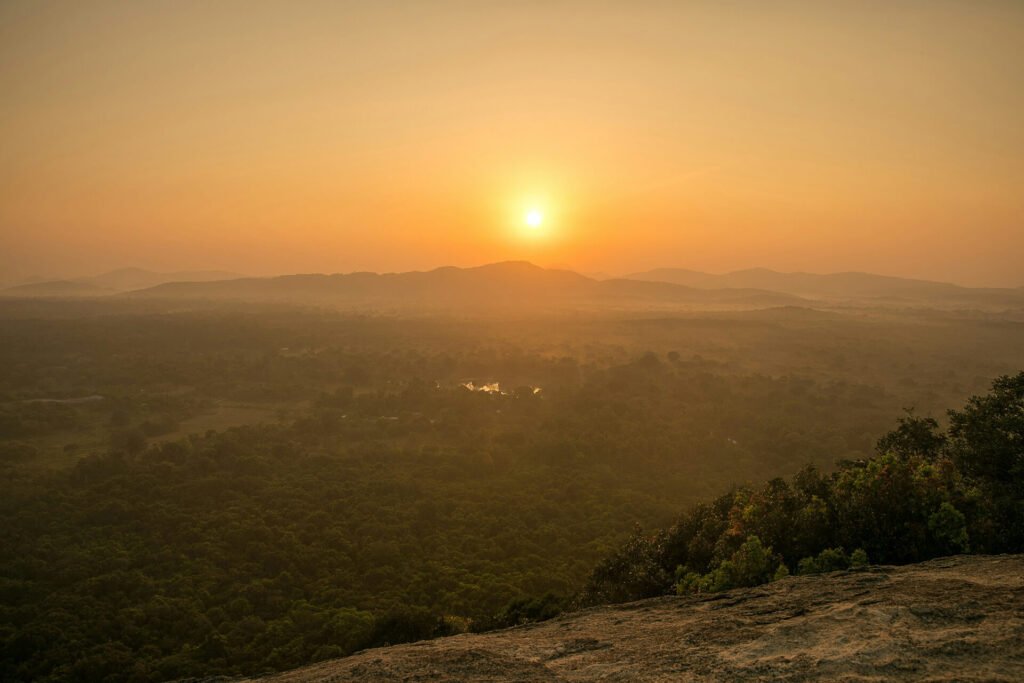
Hidden away in the central highlands of Sri Lanka lies a pristine wilderness untouched by mass tourism. The Knuckles Mountain Range is a true sanctuary for nature lovers, avid hikers, and anyone seeking an off-the-beaten-path adventure. Named for its striking resemblance to a clenched fist, this rugged terrain offers an extraordinary escape.
The Knuckles Conservation Forest is a UNESCO World Heritage Site, boasting unparalleled biodiversity and dramatic landscapes. Here, you will find misty peaks, deep valleys, cascading waterfalls, and ancient villages where time stands still. This guide will help you navigate the winding roads, hidden trails, and unique wonders of this remarkable region.
The Magic of Dumbara Kanduvetiya
Locals affectionately refer to the Knuckles Mountain Range as “Dumbara Kanduvetiya,” translating to the mist-laden mountain range. The mist often rolls in without warning, transforming the dense forests and rugged peaks into a mystical wonderland. The climate changes rapidly depending on the elevation, allowing a vast array of flora and fauna to thrive.
Trekking through Dumbara Kanduvetiya feels like stepping into a living laboratory of evolution. Endemic species of birds, reptiles, and amphibians hide within the foliage, making every step a potential discovery. The isolation of these mountains has preserved not just wildlife, but also the pristine condition of its winding waterways.
Top Points of Interest in the Knuckles Range
Mini World’s End and Pitawala Pathana
One of the most accessible yet breathtaking viewpoints in the Knuckles Conservation Forest is Mini World’s End. Located at the edge of the Pitawala Pathana grassland, this dramatic cliffside offers sweeping panoramic views of the surrounding valleys. The sheer drop is thrilling, providing an incredible vantage point for landscape photography.
Pitawala Pathana itself is a unique ecological wonder that features a thin layer of soil covering solid rock. This specialized habitat is home to several endemic species of amphibians and distinct carnivorous plants. The gentle walk across the plateau makes it ideal for those seeking beauty without a grueling trek.
The Challenge of the Knuckles Five Peaks
For experienced hikers, the Knuckles Five Peaks trail is the ultimate test of endurance and navigation. This demanding route takes you across the very summits that give the mountain range its name, featuring steep ascents and unpredictable weather. Scaling these peaks requires physical fitness and a deep appreciation for unfiltered wilderness.
As you ascend, the vegetation shifts dramatically from lower montane forests to stunted, wind-swept cloud forests. The spectacular views from the individual peaks offer a profound reward for the strenuous effort. It is absolutely crucial to tackle the Five Peaks with an experienced local guide to safely navigate the thick mist.
Chasing Waterfalls: Sera Ella and Duwili Ella
The Knuckles Mountain Range is a paradise for waterfall enthusiasts, harboring spectacular hidden cascades. Sera Ella is a magnificent, wide waterfall that plunges into a deep pool, featuring a natural cave situated directly behind the curtain of falling water. Visitors can safely access this cave, experiencing the roar of the waterfall from an entirely unique perspective.
Another legendary cascade is Duwili Ella, meaning “dust waterfall” in Sinhalese, where falling water creates a fine mist. Reaching Duwili Ella involves a challenging, multi-day trek deep into the jungle. Along the way, you might encounter smaller, yet equally picturesque falls like Bambarakiri Ella and Jodu Ella.
Cultural Immersion at Meemure Village
Deep within the folds of the Knuckles Mountain Range lies Meemure, one of the most isolated villages in Sri Lanka. Cut off by rugged terrain, Meemure offers a rare glimpse into a way of life unchanged for centuries. The journey often requires a rugged four-wheel-drive vehicle to navigate the challenging mountain passes.
The village features terraced rice paddies, mud-brick houses, and the towering Lakegala mountain acting as a dramatic backdrop. Residents still practice ancient farming techniques and rely heavily on the forest for sustenance. Spending a night in a local homestay allows you to enjoy authentic cuisine and deeply fascinating folklore.
Panoramic Views at Corbett’s Gap
Corbett’s Gap is one of the most celebrated viewpoints in the Knuckles region, renowned for its sweeping panoramas. Located on the winding road between Hunnasgiriya and Meemure, it acts as a natural saddle between towering peaks. The wind here is notoriously strong, whipping through the gap and carrying the chill of the high altitudes.
From this vantage point, you can look down into deep, forested valleys and across to jagged ridgelines. On a clear day, visibility stretches for miles, offering an awe-inspiring perspective on the sheer scale of the mountain range. Sunrise and sunset are particularly magical times to visit Corbett’s Gap.
Essential Logistics and Travel Planning
When to Visit and Getting There
Timing your visit to the Knuckles Mountain Range is critical for a safe experience. The best time for trekking is during the drier months, typically from January to March. Avoid the primary monsoon seasons from April to June and October to December, as trails become incredibly slippery and leeches thrive.
Kandy serves as the most strategic base camp for exploring the Knuckles region, offering easy access to supplies and transport. Reaching the trailheads from the city usually takes between two to three hours by road. Hiring a private vehicle with an experienced local driver is highly recommended for the unpaved mountain roads.
Permits, Guides, and Regulations
Trekking in protected areas of the Knuckles Conservation Forest is strictly regulated to protect its fragile ecosystem. Access to many trails requires an official entrance permit, which can usually be obtained at the Deanston Conservation Centre. Always carry your permit with you, as forest rangers actively patrol the region.
Hiring a registered local guide is often mandatory for exploring the deeper sections of the forest. These guides are invaluable for navigation, safety, and spotting elusive wildlife along trails like the Dothalugala Nature Trail. They also facilitate communication with locals and ensure strict compliance with environmental regulations.
What to Pack for the Knuckles Range
Proper preparation is essential for tackling the unpredictable environment of the Knuckles Mountain Range. Focus on practical, durable outdoor gear to ensure your safety and comfort.
- Sturdy Hiking Boots: High-quality footwear with aggressive grip is non-negotiable for the muddy, uneven trails.
- Leech Socks: These are an absolute necessity to protect your legs from the dense leech population.
- Rain Gear: Pack a lightweight, breathable rain jacket and a waterproof backpack cover for unexpected showers.
- Warm Layers: Nights in the higher elevations drop significantly, so bring a warm fleece or sweater.
- Hydration and Nutrition: Carry a reusable water bottle and high-energy snacks, as shops are virtually non-existent.
- First-Aid Kit: Include blister care, bandages, and a reliable insect repellent containing DEET.
Responsible Trekking and Final Tips
The Knuckles Mountain Range is an incredibly pristine environment, requiring sustainable tourism practices to protect it. It is the responsibility of every visitor to keep the wilderness intact for future generations.
- Leave No Trace: Carry out all trash, including biodegradable items, as there are no waste disposal facilities.
- Respect Wildlife: Observe animals from a distance and avoid making loud noises that could disturb the habitat.
- Stay on Marked Trails: Venturing off the path damages fragile plant life and increases the risk of getting lost.
- Support Local Communities: Hire local guides and purchase supplies from community-owned shops in places like Hunnasgiriya or Meemure.
- Dress Modestly: Wear clothing that covers your shoulders and knees when passing through rural villages to respect local culture.
- Start Early: The mist often descends rapidly in the early afternoon, so begin your hikes at sunrise for the best visibility.