
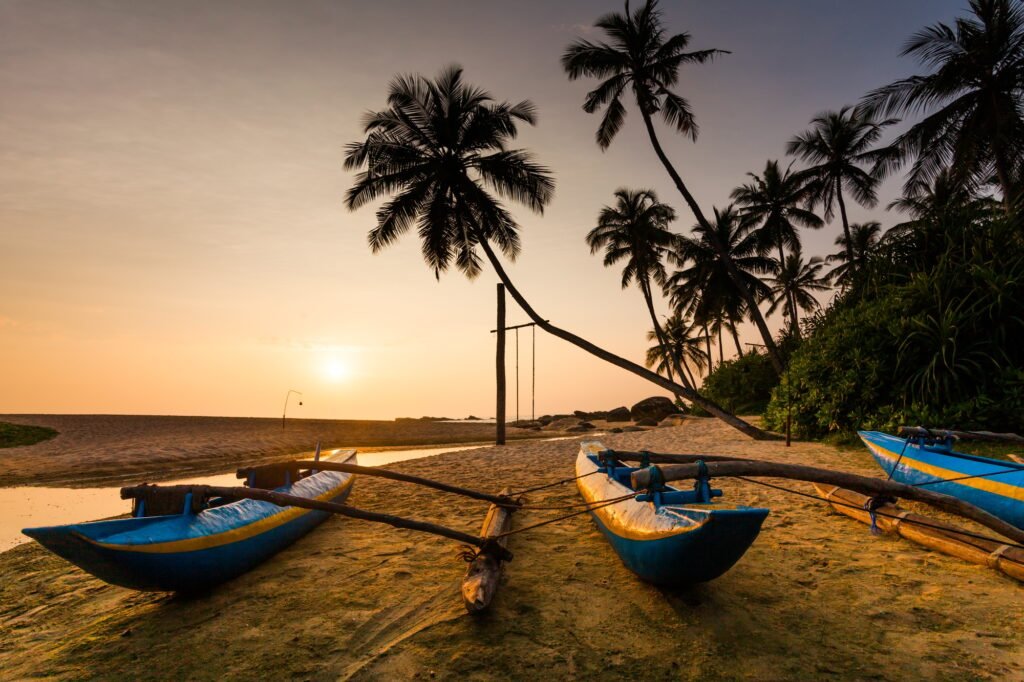
Planning a trip to the pearl of the Indian Ocean is an exciting and transformative endeavor. Sri Lanka offers incredible diversity that caters to every type of traveler. You can explore the misty, emerald tea plantations of Nuwara Eliya in the morning. By the afternoon, you could be relaxing on the sun-drenched, golden shores of Mirissa.
However, traveling through this magnificent island requires some thoughtful preparation to ensure a seamless experience. This comprehensive guide covers the essential Sri Lanka travel advice you need before boarding your flight. Understanding local customs, weather patterns, and logistical nuances is crucial for a smooth journey. By familiarizing yourself with these details, your adventure will be deeply rewarding and culturally respectful.
1. Visa Requirements Are Mandatory Before Arrival
Securing your entry documents should be the absolute first step in your travel planning process. The convenience of a visa on arrival facility is no longer available for tourists entering Sri Lanka. Instead, all visitors must obtain an Electronic Travel Authorisation online prior to their departure date.
It is highly recommended to apply for this document several days in advance to avoid any last-minute complications. Furthermore, ensure that your passport has at least six months of validity remaining from your date of entry. Having your approved visa printed alongside your travel itinerary ensures a swift and stress-free passage through immigration in Colombo.
2. Respect Cultural Etiquette at Sacred Sites
Sri Lanka is a deeply spiritual nation with a rich and visible Buddhist heritage. When visiting sacred locations like the Dambulla Royal Cave Temple or the Temple of the Sacred Tooth Relic, modest dressing is strictly enforced. Visitors must cover their shoulders and knees entirely before being allowed to enter the premises.
Additionally, you are required to remove your shoes and hats before stepping onto any temple grounds. It is also vital to remember never to turn your back on a Buddha statue when taking a photograph. This action is considered highly offensive to practicing Buddhists.
When interacting with Buddhist monks, maintain a respectful distance and never attempt to shake their hands. If you are using public transportation, it is customary and polite to offer your seat to a boarding monk. Observing these cultural norms demonstrates immense respect and invites much warmer interactions with the local community.
3. Prepare for Extended Travel Times
Do not let the relatively compact size of the island deceive you when planning your daily itinerary. Travel times in Sri Lanka are often significantly longer than they might appear on a digital map. Navigating the winding, mountainous roads up to Ella involves careful driving and frequent slowing for local traffic.
Even traveling between coastal towns can take time due to single-lane highways and bustling village centers. Rather than cramming too many destinations into a single trip, it is wiser to focus on quality over quantity. Allow generous time buffers in your schedule when moving between major landmarks like the Sigiriya Rock Fortress and the ancient city of Anuradhapura.
Taking a slower pace allows you to truly appreciate the breathtaking landscapes unfolding outside your window. It also reduces travel fatigue, leaving you with more energy to explore your destinations upon arrival.
4. Cash is Essential Outside Major Hubs
Major commercial establishments in Colombo and boutique shops within Galle Fort readily accept international credit cards. However, cash remains the undisputed king across most of the island’s rural and semi-urban landscapes. You will need local currency for everyday purchases, including fresh king coconuts from roadside vendors.
Cash is also necessary for paying entrance fees at smaller heritage sites and supporting local artisan markets. It is crucial to withdraw sufficient funds at the airport or in larger cities before heading into remote areas. ATMs are widely available in main towns, but relying on them in isolated villages can be risky due to occasional connectivity issues.
Always try to keep a steady supply of smaller denominations in your wallet. Breaking large notes can be quite difficult for small business owners and three-wheeler drivers. Managing your cash effectively ensures you never miss out on authentic local delicacies or spontaneous souvenir purchases.
5. Understand the Dual Monsoon Seasons
Sri Lanka experiences two distinct monsoon seasons that affect different coastlines at completely opposite times of the year. The southwestern region, including popular beach destinations around Unawatuna, is generally best visited from December through March. Conversely, the northeastern coast, home to pristine spots near Trincomalee, boasts ideal weather from May to September.
Understanding this unique weather pattern is absolutely vital for planning your beach days and outdoor excursions. For instance, spotting elusive leopards in Yala National Park is heavily influenced by seasonal water levels and temporary park closures. Always check the historical weather trends for your specific route to maximize your time in the sunshine.
Additionally, be aware of the inter-monsoonal periods that typically occur around October and November. During these months, brief but heavy afternoon thunderstorms are common across the entire island. Packing a reliable rain jacket is always a smart move, regardless of when you choose to visit.
6. Master the Art of Local Transport
Getting around Sri Lanka is an adventure in itself, offering various modes of transport to suit different comfort levels. Hiring a private driver provides the ultimate convenience and flexibility for exploring widespread and remote attractions. This option allows you to stop at roadside fruit stalls or take impromptu detours to hidden waterfalls at your own pace.
If you prefer a more grassroots experience, the iconic three-wheeled auto-rickshaws are ubiquitous and perfect for short journeys. Always negotiate the fare clearly before climbing in, or insist on using a functioning meter if one is available. For highly scenic journeys, the train ride crossing the spectacular Nine Arches Bridge is a magnificent and unmissable experience.
However, reserved train tickets for popular routes must be secured well in advance of your travel date. For the highly adventurous, local provincial buses offer an incredibly inexpensive but often crowded and chaotic way to traverse the island.
7. Hydration and Health Precautions
The tropical, humid climate of Sri Lanka means you will be sweating significantly more than usual. This makes constant hydration an absolute priority throughout your daily explorations. However, local tap water is not safe for drinking, and should even be avoided when brushing your teeth.
Always stick to sealed bottled water, rigorously filtered water, or water that has been thoroughly boiled. Healthcare facilities are generally excellent in major cities, offering modern treatments and well-trained medical professionals. However, local clinics can be quite basic and under-equipped in remote, rural regions.
It is essential to carry a personal medical kit equipped with basic remedies for stomach upsets, headaches, and minor cuts. Additionally, protect yourself from mosquito-borne illnesses by applying repellent generously. Finally, please resist the urge to feed stray dogs or wild monkeys, as animal bites require immediate medical attention.
8. Embrace the Tipping Culture
Tipping is a customary and deeply ingrained practice within the Sri Lankan hospitality and tourism industry. It serves as a vital source of supplementary income for many hardworking service workers. A standard service charge is often added to formal restaurant bills, but leaving a little extra cash is highly appreciated.
Keep a stack of small notes specifically designated for tipping luggage porters, housekeeping staff, and helpful local guides. When you hire a private driver for a multi-day tour, a substantial gratuity at the end of the service is expected. The same applies after taking a guided wildlife safari through Minneriya National Park.
Tipping should always reflect your genuine satisfaction with the experience provided. This small but meaningful gesture of gratitude goes a very long way in supporting the local tourism workforce.
9. Pack Smart for the Tropics
Packing for a Sri Lankan adventure requires striking a careful balance between tropical comfort and cultural modesty. Lightweight, highly breathable fabrics like cotton and linen are your best defense against the persistent, heavy humidity. However, you must also pack clothing that strictly adheres to the dress codes required at religious and sacred sites.
Consider creating a versatile travel wardrobe that allows for easy and rapid layering. A traditional sarong or a lightweight scarf is an invaluable item to carry in your daily daypack. It can be quickly draped over shoulders or wrapped around legs for spontaneous temple visits.
Essential Packing List:
- Lightweight, long-sleeved shirts for sun protection and temple visits.
- Breathable trousers or long skirts to ensure knees are covered.
- Comfortable, sturdy walking shoes for exploring ancient ruins and jungle trails.
- A high-quality rain jacket or compact travel umbrella for sudden, unexpected downpours.
- Reef-safe sunscreen to protect delicate marine life during coastal excursions.
- Strong, reliable mosquito repellent for evening protection outdoors.
- A universal power adapter to ensure all your essential electronics stay fully charged.
10. Embrace “Island Time”
Perhaps one of the most important things to deeply understand before you go is that Sri Lanka operates on its own unique rhythm. Infrastructure is still rapidly developing in certain areas, and strict adherence to rigid schedules is not always the norm. Trains may occasionally run late, and service at local restaurants can sometimes be quite leisurely.
Adopting a patient, calm, and highly flexible mindset will significantly enhance your overall travel experience. Instead of viewing unexpected delays as a frustrating inconvenience, try to treat them as hidden opportunities. They are perfect moments to strike up conversations with friendly locals or simply sit back and enjoy the surrounding scenery.
Surrendering to this relaxed pace is the ultimate secret to finding true relaxation and joy on your journey. Let go of strict expectations and allow the gentle flow of the island to guide your daily adventures.
Practical Logistics for Your Sri Lankan Journey
Proper logistical planning forms the crucial foundation of any successful trip to Sri Lanka. From navigating the busy airport to understanding the local daily routines, these practical details will help you hit the ground running. Keep these logistical strategies in mind to maximize your enjoyment and minimize travel stress.
Pacing Your Itinerary
- Avoid the common temptation to circle the entire island in a single, rushed week.
- Allocate at least two full nights per destination to truly absorb the local atmosphere and culture.
- Group geographically close attractions by region, such as combining the Sigiriya Rock Fortress and the ancient ruins of Polonnaruwa.
- Factor in dedicated rest days, especially after completing long hikes or enduring extensive, multi-hour travel days.
Dress Codes and Daily Attire
- Always pack a dedicated temple outfit in your day bag that is easy to slip into when required.
- Wear easily removable slip-on shoes or sandals for days featuring multiple religious site visits.
- Reserve swimwear strictly for the beach or resort poolside areas to avoid offending locals.
- Remember that walking around towns or villages in bikinis or board shorts is frowned upon and considered disrespectful.
- Opt for light, reflective colors to combat the intense tropical sun and stay cooler during daytime excursions.
Daily Travel Routines
- Start your sightseeing days early in the morning to beat both the intense midday heat and the largest tourist crowds.
- Plan indoor activities, long scenic drives, or leisurely shaded lunches between noon and three in the afternoon.
- Keep your passport, physical visa copy, and travel insurance details easily accessible but securely stored in a waterproof pouch.
- Always download offline maps for regions where cellular network coverage might be spotty or entirely unreliable.
Conclusion
Sri Lanka is a truly magical destination that effortlessly captivates the soul. With its ancient history, abundant wildlife, and incredibly welcoming people, it promises an adventure like no other. By carefully familiarizing yourself with these essential travel tips, you are setting the perfect stage for an unforgettable journey.
Respecting the local culture, planning smartly for the diverse climate, and wholeheartedly embracing the local pace are vital keys to success. These elements will ensure your journey is nothing short of spectacular and deeply fulfilling. Pack your sense of wonder, prepare for the unexpected, and get ready to explore the endless, vibrant magic of Sri Lanka.